How to Read Nutrition Labels for Better Food Comparisons
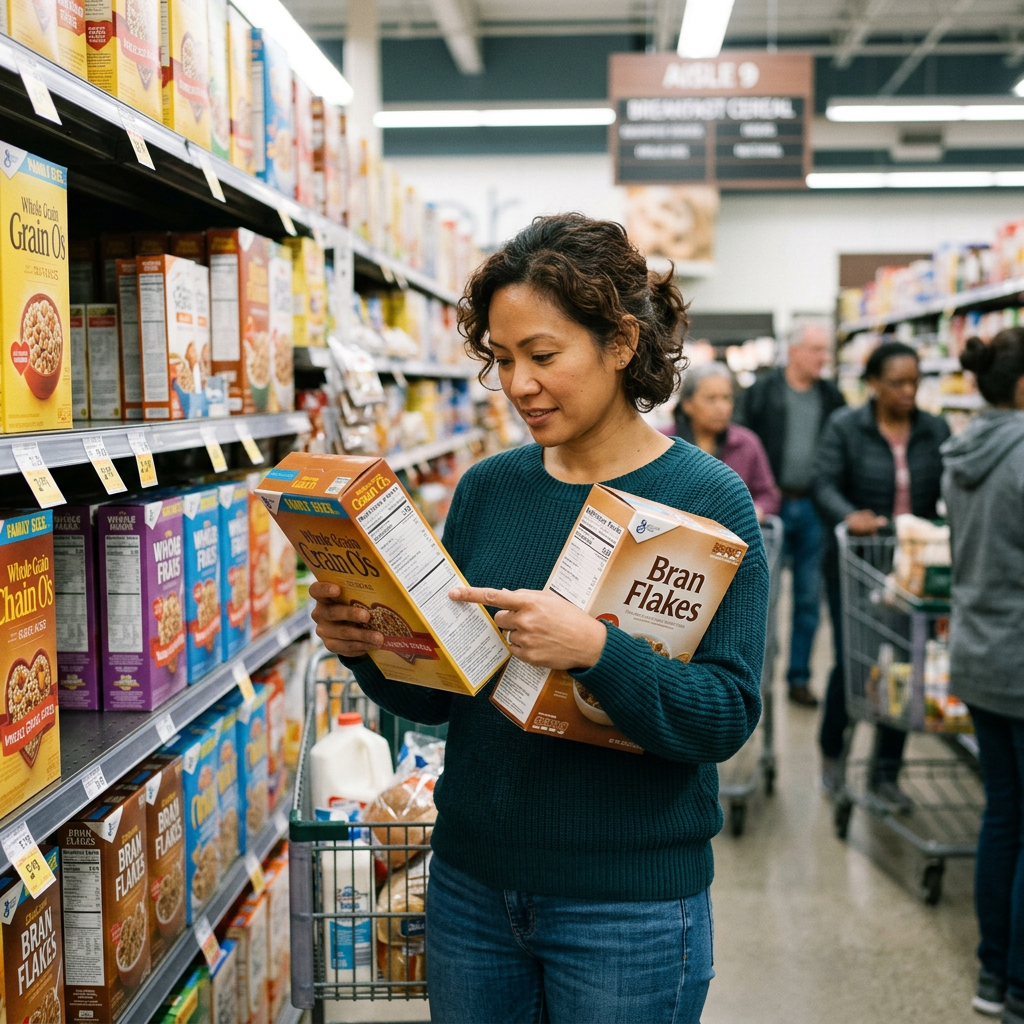
Walk down any grocery aisle and you’ll see endless choices that look similar on the outside but differ a lot on the inside. Two granola bars may claim to be “healthy,” two yogurts may both say “high protein,” and two soups may each look like a smart lunch option. The best way to tell which one actually fits your needs is to learn how to read nutrition labels.
Nutrition labels are more than a box of numbers. They help you understand what you are really getting from a product, compare similar foods fairly, and make better decisions based on your goals—whether that means eating more protein, reducing sodium, cutting added sugar, or choosing more fiber. Once you know what to look for, a food product comparison becomes much easier and much more reliable.
Why Nutrition Labels Matter
Packaging can be persuasive. Words like “natural,” “light,” “whole grain,” and “made with real fruit” sound healthy, but they don’t tell the whole story. Nutrition labels provide the facts behind the marketing.
Reading nutrition facts helps you:
- Compare similar products side by side
- Spot hidden sugar, sodium, or saturated fat
- Check calories per serving
- Find foods with more protein, fiber, vitamins, or minerals
- Make choices that fit your dietary goals
The key is not to judge food as simply “good” or “bad.” Instead, use the label to determine which product is the better fit for your needs in that moment.
Start With the Serving Size
The first item on any nutrition label is the serving size, and it is one of the most important parts to understand. Many people overlook it, but all the numbers on the label are based on this amount.
For example, if a bag of chips lists a serving size of 1 ounce and the bag contains 2.5 servings, eating the whole bag means you must multiply every number on the label by 2.5.
That means:
- Calories are 2.5 times higher
- Sodium is 2.5 times higher
- Fat, sugar, and carbs are all 2.5 times higher
Why Serving Size Can Be Misleading
Serving sizes are not always the amount people actually eat. A single serving of cereal may look tiny, while a serving of ice cream may seem much smaller than the amount you scoop into a bowl.
When doing a food product comparison, always make sure the serving sizes match. If Product A lists nutrition for 1 cup and Product B lists nutrition for 2/3 cup, the numbers are not directly comparable until you adjust them.
Example
Suppose you are comparing two yogurts:
- Yogurt A: 100 calories per 170g serving
- Yogurt B: 130 calories per 227g serving
At first glance, Yogurt A seems lower in calories. But if you compare by weight or cup size, the difference may shrink or even reverse. Always check the serving size first so you are comparing like with like.
Look at Calories in Context
Calories tell you how much energy a food provides, but they do not tell the whole story. A 200-calorie snack made mostly of added sugar may not satisfy you as well as a 200-calorie snack with protein, fiber, and healthy fats.
Instead of focusing only on calories, ask:
- Does this food keep me full?
- Is it a snack, a meal, or an ingredient?
- Does it fit my daily energy needs?
Comparing Calories the Right Way
Calories are useful when comparing similar products. For example:
- Two brands of crackers
- Two types of breakfast bars
- Two frozen meals with similar portions
If the portion sizes are similar, the lower-calorie product may be helpful if your goal is calorie control. But if the lower-calorie option has much less protein or fiber, it may not be the more satisfying choice.
Check the Macronutrients: Fat, Carbs, and Protein
The macronutrients section gives you the big picture of what the food is made of. Depending on your goals, one nutrient may matter more than others.
Protein
Protein supports muscle maintenance, recovery, and satiety. If you are comparing snacks, yogurts, shakes, or frozen meals, protein can be a major deciding factor.
Look for foods that offer:
- 10 grams or more of protein in a snack
- 15 to 30 grams or more in a meal
- Protein paired with fiber for better fullness
Carbohydrates
Carbohydrates are the body’s main energy source, but the quality matters. The total carbohydrate number includes sugars, fiber, and starches. A high-carb food can be perfectly fine, especially if it contains whole grains or fiber.
Fat
Not all fat is the same. Labels show total fat, saturated fat, and sometimes trans fat. Foods with moderate amounts of unsaturated fats, such as nuts, seeds, or avocado-based products, can be part of a balanced diet. When comparing products, keep an eye on saturated fat and trans fat, especially in processed foods.
Don’t Ignore Fiber
Fiber is one of the most useful nutrients on a label, but it often gets less attention than calories or protein. Foods higher in fiber tend to support digestion and help you feel full longer.
As a general guide:
- 3 grams of fiber or more per serving is a decent source
- 5 grams or more is even better in many cases
Fiber and Food Comparison
If you are choosing between two breads, cereals, or snack bars, compare fiber closely. A product with more fiber may keep you satisfied longer, even if it has slightly more calories.
Example
- Cereal A: 140 calories, 1g fiber
- Cereal B: 160 calories, 5g fiber
Cereal B may be the better choice because it provides more fiber and may help you stay full through the morning.
Watch for Added Sugars
Added sugars are one of the most important things to check on modern nutrition labels. They are sugars added during processing, not the naturally occurring sugars found in fruit or plain milk.
High added sugar foods can contribute a lot of calories without much nutrition. That does not mean you need to avoid sugar completely, but it does help to know where it shows up.
Common Places Added Sugar Hides
- Breakfast cereals
- Flavored yogurts
- Granola and protein bars
- Salad dressings
- Sauces and condiments
- Flavored drinks
- Instant oatmeal packets
How to Compare Sugar the Smart Way
Do not just compare total sugar. Look specifically at added sugars. Two products may have the same total sugar, but one might get most of it from naturally occurring sources while the other has a lot of added sugar.
Example
- Plain Greek yogurt: 5g sugar, 0g added sugar
- Flavored yogurt: 18g sugar, 12g added sugar
The plain version may be a better base, especially if you can add fruit yourself and control the sweetness.
Use the % Daily Value as a Shortcut
The % Daily Value (%DV) on the right side of the label shows how much a nutrient in one serving contributes to a typical daily diet. This can make comparisons quicker.
A simple rule:
- 5% DV or less = low in that nutrient
- 20% DV or more = high in that nutrient
This works best for nutrients you want more or less of.
When to Look for a Higher %DV
Choose more of these nutrients when possible:
- Fiber
- Calcium
- Vitamin D
- Iron
- Potassium
When to Look for a Lower %DV
Limit these nutrients when appropriate:
- Saturated fat
- Sodium
- Added sugars
Example
If two soups are similar, and one has 20% DV sodium while the other has 8% DV sodium, the second option is the better choice if you are trying to reduce salt intake.
Compare Foods in the Same Category
Nutrition labels are most useful when you compare similar products. Comparing cookies to apples is not very helpful. Instead, compare:
- Two brands of cereal
- Two types of bread
- Two frozen pizzas
- Two protein bars
- Two canned soups
This is where how to read nutrition labels really pays off. You can see differences that marketing claims might hide.
Better Food Product Comparison Examples
Bread
You may find two whole-grain breads:
- Bread A: 90 calories, 2g fiber, 160mg sodium
- Bread B: 110 calories, 5g fiber, 140mg sodium
Bread B has slightly more calories but more fiber and less sodium, so it may be the stronger choice overall.
Granola Bars
Two bars may both say “made with oats,” but one could have:
- 8g added sugar
- 2g protein
- 1g fiber
while the other has:
- 4g added sugar
- 6g protein
- 4g fiber
The second bar is likely more balanced and more filling.
Learn the Ingredient List Too
The nutrition facts panel is important, but the ingredient list gives more context. Ingredients are listed by weight, so the first few ingredients make the biggest difference.
What to Look For
- Whole grains listed early
- Short, recognizable ingredient lists
- Fewer added sugars near the top
- Quality fats and proteins
- Fewer highly processed fillers, depending on your goals
Ingredient List Clues
If several forms of sugar appear near the top—such as cane sugar, syrup, dextrose, and honey—that may indicate a sweeter product than the label first suggests.
If you see whole grains listed first and a moderate amount of sugar, the product may be a better fit for breakfast or a snack.
Be Careful With “Health Halo” Words
Some front-of-package claims can make a food seem healthier than it really is. These are often called “health halos.”
Words to treat carefully include:
- Natural
- Organic
- Multigrain
- Made with real fruit
- Low-fat
- Gluten-free
These claims may be true, but they do not automatically mean the product is nutritious overall.
Example
A low-fat muffin might sound better than a regular muffin, but it could contain more sugar to make up for lost flavor. A “multigrain” cracker may contain several grains, but still be low in fiber and high in sodium.
That is why you should always check the nutrition facts panel instead of relying on the front label.
Build a Simple Comparison Habit
Reading labels gets easier with practice. A practical method is to compare two or three products using the same criteria every time.
A Simple Label Comparison Checklist
When comparing similar foods, check:
Serving size
Make sure the portions are comparable.Calories
Consider whether the amount fits your needs.Protein
Helpful for fullness and meals.Fiber
Useful for digestion and satiety.Added sugars
Lower is often better for packaged foods.Sodium
Especially important in soups, sauces, and frozen foods.Saturated fat
Watch this in baked goods, cheese, meats, and frozen meals.Ingredients
Look for quality and clarity.
Example of a Quick Comparison
Imagine you are choosing between two frozen lunches:
- Meal A: 320 calories, 12g protein, 900mg sodium, 4g fiber
- Meal B: 390 calories, 20g protein, 650mg sodium, 7g fiber
Meal B has more calories, but it also has more protein and fiber and less sodium. If you want a meal that is more filling and balanced, Meal B may be the better pick.
What to Prioritize Based on Your Goals
Different people look for different things on a label. The best choice depends on your goals, lifestyle, and health needs.
If You Want to Lose Weight
Focus on:
- Portion size
- Calories
- Protein
- Fiber
- Added sugars
If You Want Better Energy and Fullness
Focus on:
- Protein
- Fiber
- Less added sugar
- Balanced carbs and fats
If You Want to Reduce Sodium
Focus on:
- Sodium %DV
- Serving size
- Packaged and processed foods
- Sauces, soups, and frozen meals
If You Want to Build More Muscle
Focus on:
- Protein per serving
- Total calories
- Meal timing and overall daily intake
Conclusion
Learning how to read nutrition labels is one of the most practical skills you can build for smarter grocery shopping. It helps you make a fair food product comparison, see past the marketing, and choose foods that better match your goals. By paying attention to serving size, calories, protein, fiber, added sugars, sodium, and the ingredient list, you can turn nutrition facts into useful everyday information.
The more you practice, the faster it becomes. Soon, comparing products at the store will feel less confusing and much more confident.
Leave a Reply